Organising a festival, concert, or large-scale public event in the North West involves more than just booking talent and managing logistics. It comes with a significant legal and moral “Duty of Care” to every attendee, staff member, and performer on-site. To protect your visitors—and secure your event license—it is essential to adhere to The Purple Guide.
Originally published by the Health and Safety Executive (HSE) and now managed by the Events Industry Forum, The Purple Guide is the UK’s primary resource for event health, safety, and welfare.
The Risk of “Basic First Aid” in High-Risk Environments
A common and potentially costly mistake made by event organisers is hiring “first aiders” for high-risk or high-capacity environments. While first aiders provide a vital service, they are trained primarily to “hold the fort” until professional emergency services arrive.
At a major festival or sporting event, relying solely on first aid often leads to an over-reliance on local NHS 999 services, which can result in licensing issues or even event closure if the local ambulance trust deems the event a public safety risk. To ensure safety, you need a medical team capable of the “Treat, Stabilise, and Discharge” model. This reduces the burden on local A&E departments by managing the majority of medical incidents on-site.
What Your Medical Management Plan (MMP) Should Include
When you partner with Osprey EMS, we assist you in developing a comprehensive Medical Management Plan that satisfies SAG (Safety Advisory Group) requirements. Your plan should focus on three critical pillars:
1. A Robust, Data-Driven Risk Assessment
Safe medical cover is not a guessing game. We don’t just look at ticket sales; we evaluate the audience profile, the nature of the event (e.g., a high-energy dance festival vs. a family gala), weather forecasts, and historical Patient Presentation Rates (PPR). This data allows us to predict how many people may require medical attention and what level of care they will need.
2. Mandatory CQC Registration
This is the most vital check for any organiser. Always verify that your medical provider is CQC-registered. If a provider is using an ambulance to transport patients off-site—even just to the nearest hospital gate—it is a legal requirement for them to be registered with the Care Quality Commission. Hiring an unregistered provider for transport services can leave organisers legally vulnerable.
3. The Right Skill Mix: The “Medical Village”
Osprey EMS provides a “Medical Village” setup, creating a mini-hospital on-site. Our teams feature:
HCPC Paramedics and Nurses: For advanced clinical interventions and wound care.
Ringside or Event Doctors: To provide high-level diagnosis and prescribing power.
Cycle Responders: Highly mobile medics who can navigate crowded parks or promenades to reach an incident in minutes.
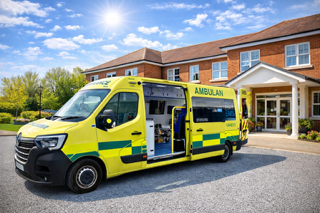
Ambulance Crews: Fully equipped CQC-registered vehicles for emergency stabilisation and transit.
Clinical Excellence for Peace of Mind
By partnering with Osprey EMS, you aren’t just ticking a box for the local authority. You are ensuring your event is backed by the same clinical expertise used in frontline emergency medicine. From the initial risk assessment to the final de-rig, we provide the professional reassurance that your event is safe, compliant, and ready for anything.